If you've been thinking about hair extensions but don't know where to start, you're not alone. I get questions about extensions almost every day—from clients in my chair, DMs on Instagram, even friends of friends at parties. So I figured it was time to put everything I know into one place.
I've been specializing in extensions for years now, and I've learned a lot—some from training, but honestly, most from the hundreds of installs I've done and the mistakes I made early on. This guide is everything I wish someone had told me when I first got curious about extensions, and everything I tell my clients during consultations.
First Things First: Are Extensions Right for You?
Here's something I always tell potential clients: extensions aren't for everyone, and that's okay. They're an investment of both money and time, and I'd rather be honest with you upfront than have you regret it later.
Extensions might be a great fit if you:
- Want length or volume that your natural hair can't achieve right now
- Are willing to commit to maintenance appointments every 6-10 weeks
- Have realistic expectations about care and styling
- Are patient—your first set is a learning curve
The Main Types of Extensions I Work With
There are a lot of extension methods out there, but these are the ones I install most often and trust to deliver great results.
Hand-Tied Weft Extensions
These are my personal favorite for most clients. Hand-tied wefts are exactly what they sound like—thin wefts of hair that are hand-sewn, making them incredibly lightweight and flat against your head. You can't feel them, and when installed correctly, you can't see them either.
I recommend hand-tied wefts for clients with fine to medium hair who want the most natural look possible. They're also great if you're active—they move with your natural hair and don't feel heavy during workouts.
The trade-off? They need adjustment every 8-10 weeks as your hair grows out, and they require a beaded row foundation that takes a bit longer to install.
Tape-In Extensions
Tape-ins are the most popular method I see clients asking about, and for good reason. They're quicker to install, generally more affordable for a first set, and work well for adding both length and volume.
The "tape" is medical-grade adhesive on thin wefts that sandwich small sections of your hair. When done right, they blend seamlessly and are comfortable to wear.
I typically recommend tape-ins for clients who want to try extensions for the first time without the bigger investment, or for clients with medium-density hair. They do need to be moved up every 6-8 weeks, and you'll need to be careful with certain products near the tape (oils can break down the adhesive).
K-Tip (Keratin Bond) Extensions
K-tips are individual strands bonded to your natural hair using keratin—the same protein your hair is made of. They offer the most versatility for styling because each strand moves independently, just like your natural hair.
These are great for clients with thicker hair who want a lot of volume, or for anyone who wants to wear high ponytails and updos regularly (the bonds are nearly invisible). The downside is they take longer to install (we're talking 2-3 hours for a full head) and are the highest maintenance option.
What Actually Happens at Your Appointment
If you've never had extensions before, here's what to expect when you come see me:
The Consultation (30 minutes)
Everything starts with a consultation—this is the most important step. I'll analyze your hair's texture, density, and current condition to understand exactly what we're working with. From there, I match you with the right type of extensions based on your hair and what will give you the best results.
We'll also talk through your overall goals. Are you looking for length? Volume? Both? Do you have a specific look in mind, or are you open to suggestions? I want to understand what you're envisioning so we can make it happen.
Then we cover maintenance—what the upkeep looks like, how often you'll need to come back, and what your at-home routine will be. I want you to walk in knowing exactly what you're signing up for.
We'll also color-match your extensions during this time. I carry a range of colors, but sometimes we need to custom-order or color the extensions to get a perfect blend. This is not something to rush.
The Install (1.5-3 hours depending on method)
If everything checks out at your consultation and we're both on the same page, we move forward with the install. The actual installation takes longer than most people expect, but that's because I'm being thorough. I section your hair carefully, place each weft or bond precisely, and make sure everything is secure but comfortable. Rushing this step is how you end up with visible tracks or damage.
The Blend and Style (30-45 minutes)
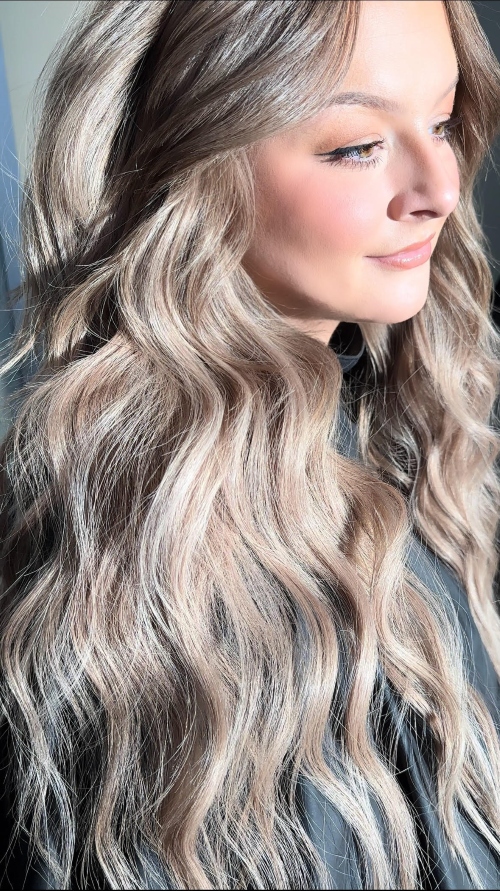
Once the extensions are in, I cut and blend them with your natural hair. This is where the magic happens—good blending is the difference between "obviously has extensions" and "wow, her hair looks amazing."
The Honest Truth About Maintenance
I'm not going to sugarcoat this: extensions require maintenance. But once you get into a routine, it becomes second nature. And here's what I hear from clients all the time—once you see that length and volume in the mirror, once you feel that confidence boost every time you catch your reflection, the maintenance doesn't feel like work anymore. It just becomes part of how you take care of yourself.
Daily care:
- Brush your hair 2-3 times a day with a proper extension brush (I'll recommend one). Always start at the ends and work your way up—never yank from the roots.
- Never go to bed with wet hair. This causes matting at the attachment points, and trust me, that's not fun to fix.
- Sleep with your hair in a loose braid or low ponytail. A silk pillowcase helps too.
Washing:
- Use sulfate-free shampoo and conditioner—I can recommend specific products that work well.
- Wash in a downward motion. Don't flip your head upside down or scrub aggressively.
- Keep conditioner away from the bonds or tape. Focus on the mid-lengths and ends.
- Most clients can wash 2-3 times per week. If you're used to daily washing, this might be an adjustment.
Styling:
- Yes, you can heat style your extensions—just keep temperatures moderate and use heat protectant.
- Avoid applying heat directly to the attachment points.
- You can curl, straighten, and blow-dry just like your natural hair.
A Note on Cost
I get asked about pricing constantly, and I understand—it's an investment and you want to budget for it. Pricing varies based on the method, how much hair you need, and the quality of the hair itself.
What I can tell you is this: quality extensions cost more upfront but save you money long-term. Cheap hair tangles, mattes, and needs to be replaced much sooner. The hair I use is 100% human, ethically sourced, and can be reused for multiple installs if cared for properly.
During your consultation, I'll give you an exact quote based on what you need. No surprises.
Questions I Get Asked All the Time
"Will extensions damage my hair?"
Not if they're installed correctly and you follow the maintenance routine. Damage happens when extensions are too heavy for your hair, installed improperly, or neglected between appointments. I'm very careful about this—I won't install extensions that your hair can't support.
"Can I still work out / swim / live my life?"
Absolutely. I have clients who are gym regulars, swimmers, and generally very active. We just need to choose the right method and you need to follow the care instructions. Tying your hair up during workouts and rinsing after chlorine or saltwater makes a big difference.
"How long until I need a maintenance appointment?"
Typically 6-10 weeks depending on the method and how fast your hair grows. I'll schedule your next appointment before you leave so you're always on the books.
"What if I want to take them out?"
No problem. Extensions are not permanent. When you're ready for a break or want to switch things up, I remove them safely and your natural hair is right there waiting for you.
Questions?
My goal is to make this process as seamless as possible so we can focus on what matters—accomplishing your hair goals. If you have questions or want personalized advice, I'm here to help.